Do Eco-Friendly Homes Actually Sell for More?
Over the past several years, there’s been a noticeable shift in how homeowners think about their spaces.
What used to be considered extra (think solar panels, energy-efficient systems, drought-conscious landscaping) is becoming part of a broader conversation about how a home functions long-term.
At the same time, buyers are starting to pay closer attention to these features.
Which raises a natural question: do these kinds of investments actually translate into value?
What the National Data Shows
At a national level, the answer is increasingly yes. However, there is some nuance.
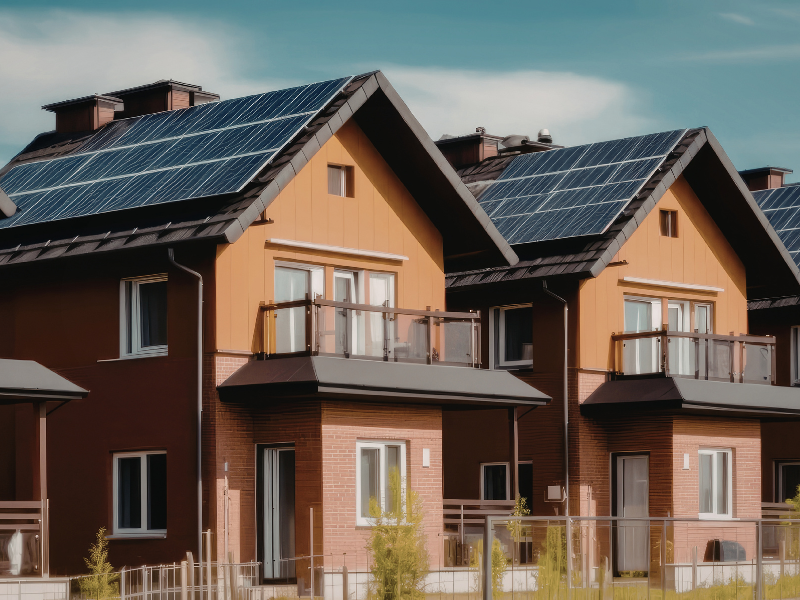
Homes with solar panels often command stronger interest than comparable homes without them, and energy-efficient features more broadly, like updated windows, insulation, and HVAC systems, can make a home more appealing to buyers.
There’s also a broader behavioral shift happening. Buyers aren’t just looking at purchase price anymore. They’re paying closer attention to monthly operating costs, especially as utilities and insurance continue to shape the overall cost of homeownership.
What We’re Seeing in Colorado
In Colorado, these trends can show up even more clearly.
With abundant sunshine, ongoing drought conditions, and a population that tends to value outdoor living and environmental awareness, features like solar panels, xeriscaping, and energy-efficient upgrades often resonate more strongly here than they might in other markets.
That said, value isn’t always a straight line. Not every upgrade carries the same weight, and not every buyer will prioritize the same things.
Where These Investments Matter Most
Some eco-friendly upgrades tend to translate more clearly than others.
Owned solar panels, efficient HVAC systems and appliances, better insulation, updated windows, and low-water landscaping are often easier for buyers to understand because the benefits feel immediate. Lower utility bills, less maintenance, and a home that feels more prepared for Colorado’s climate all carry real appeal.
Features that are more niche, highly personalized, or harder to explain may still be worthwhile for the homeowner, but they don’t always translate as directly in the market.
The Bigger Shift
What’s changing is expectation.
A few years ago, sustainable features often felt like a bonus. Now, they’re increasingly becoming part of what buyers expect a well-prepared home to offer, especially in places where water use, energy costs, and long-term livability are becoming more visible considerations.
What This Means for Homeowners
For homeowners considering these kinds of investments, the takeaway is fairly simple: they can add value, but they tend to work best when they’re thoughtfully integrated, easy to understand, and aligned with how people actually live in the home.
They’re not just about resale.
They’re also about creating a home that works more efficiently, costs less to operate, and feels more in step with the environment around it.
And increasingly, that’s something buyers are noticing.
We love sharing thoughtful perspectives on home, place, and everyday living. If this sparks a question or curiosity, we’d always be glad to connect and continue the conversation here.