5 Small Design Choices That Help a Home Feel More Relaxing
Home should be the place where your shoulders drop a little the moment you walk through the door.
Where the pace slows, and the space itself helps you relax.
But sometimes small design choices, and often ones we barely notice, can subtly work against that feeling. Lighting that feels too harsh, furniture that looks great but isn’t comfortable, or finishes that make you nervous to actually live in your space can all make a home feel less restful than it could.
The good news is that a few thoughtful adjustments can go a long way toward making a home feel calmer and more comfortable.
Here are five design choices that can quietly change how a home feels.
1. Pay Attention to Your Lighting
Lighting has a bigger impact on how a space feels than most people realize.
Many designers recommend bulbs around 2700K, which produce a warm, soft glow that helps a room feel more relaxed and inviting. Cooler lighting can sometimes make a space feel a little sterile and more like an office than a home.
This is especially noticeable during Colorado’s long winter evenings, when interior lighting carries more of the atmosphere after the sun goes down.
2. Choose Comfort Over Perfection
A beautiful sofa that no one actually wants to sit on isn’t doing a room any favors.
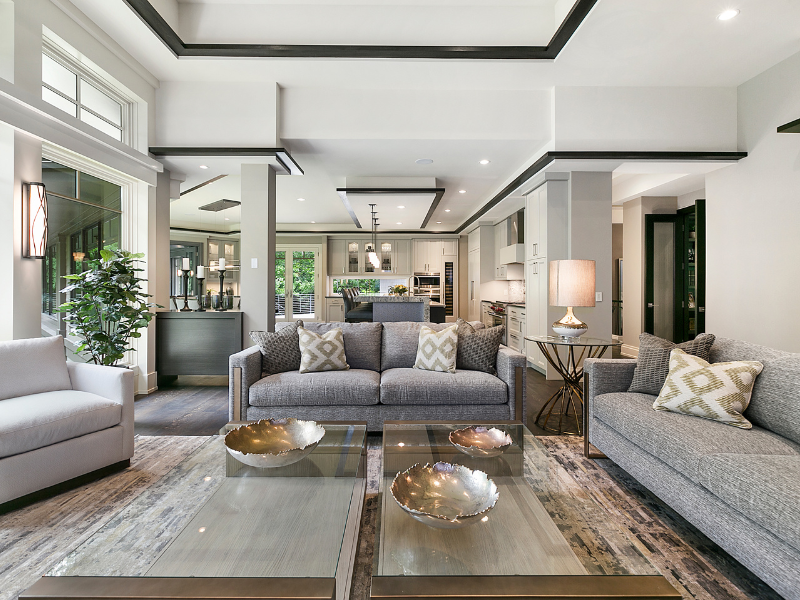
While design trends often prioritize clean lines and sculptural shapes, comfort is what truly makes a space feel welcoming. Deep sofas, soft chairs, and places where people can actually relax tend to become the most loved spots in a home.
After all, a home that invites people to settle in and stay awhile will almost always feel better than one that simply looks good.
3. Test Paint Colors Before Committing
Paint can completely transform a space, but it can also surprise you.
A color that looks beautiful online or in someone else’s home may feel very different once it’s on your own walls. Light shifts throughout the day, and natural light in Colorado homes can be especially dynamic thanks to our bright skies and elevation.
Testing a few paint samples and living with them for a couple of days can help you see how a color feels in the morning, midday, and evening before committing.
4. Choose Materials That Let You Relax
If you’re constantly worried about a spill, a scratch, or someone sitting in the wrong place, a home can start to feel a little stressful.
Today there are many performance fabrics and durable finishes that allow a home to look beautiful while still being easy to live in. Choosing materials that can handle everyday life, from friends, pets, kids, or the occasional glass of red wine, helps a home feel truly comfortable.
A home should feel lived in, not tiptoed around.
5. Make the Small Details Feel Intentional
Sometimes what disrupts a sense of calm in a room is surprisingly small: a crooked curtain rod, artwork that feels slightly off-center, or lighting fixtures that aren’t quite aligned.
When these details are adjusted and installed thoughtfully, the whole space tends to feel more settled and balanced, even if most people can’t quite explain why.
It’s one of those subtle design principles that quietly makes a home feel more at ease.
At the end of the day, a relaxing home isn’t about perfect design. It’s about creating a space that supports the way you actually live.
Often, it’s the small adjustments, like warmer light, comfortable seating, thoughtful materials, that make the biggest difference in how a home feels.
And when a space feels right, everything else seems to follow.
Inspired by insights from Real Simple.
We love sharing thoughtful perspectives on home, place, and everyday living. If this sparks a question or curiosity, we’d always be glad to connect and continue the conversation here.