Five years ago, many of us used our homes very differently than we do today.
Not because we planned to, but because life began asking more of them, and we adapted.
For many households, that shift started during the early days of the pandemic, when homes were suddenly required to do far more than before. What’s notable is that those changes didn’t disappear once life reopened. Instead, they continued to evolve, quietly reshaping how space is used even now.
In Colorado especially, homes have taken on these added roles gradually, often without a clear moment of decision. The changes layered in over time.
Rooms became flexible by necessity
Spaces that once served a single purpose began to stretch.
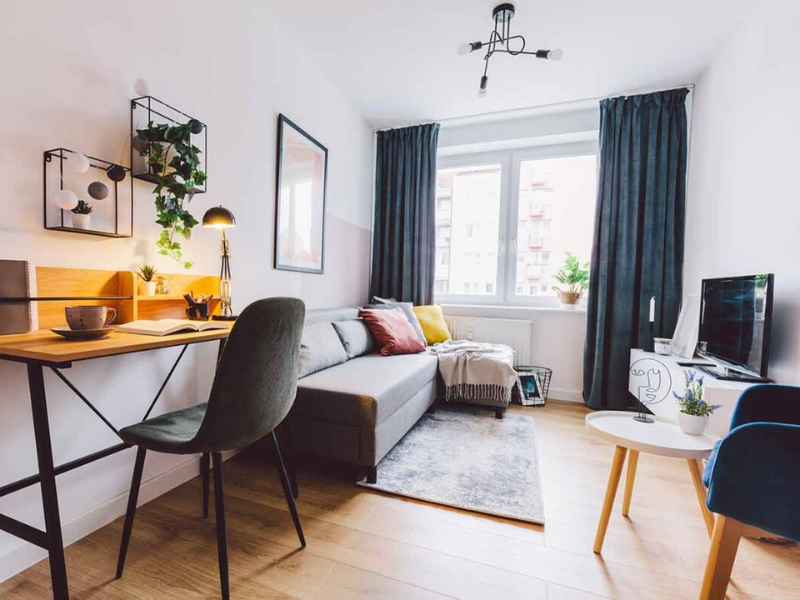
Dining tables doubled as work surfaces. Guest rooms became offices, storage, or quiet retreats. Living rooms shifted between gathering places and places to decompress.
What mattered most was how a space could adapt to the day at hand.
Storage became about supporting lifestyle, not hiding clutter
Colorado living brings gear, layers, and seasons with it. Over time, many people realized that how a home holds those things matters more than how little of them there are.
Storage stopped being about tucking things away and became about ease. This meant quick transitions, less friction, and fewer daily interruptions.
In-between spaces started to matter more
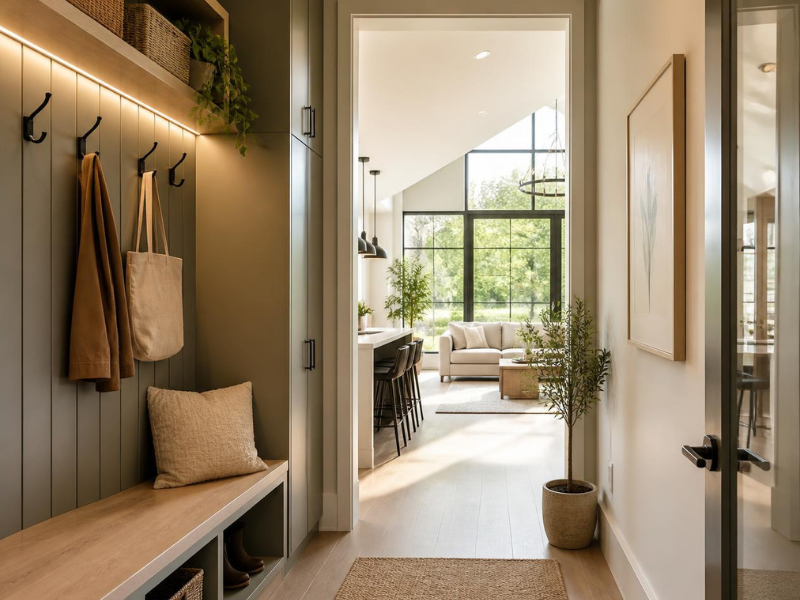
Entryways, patios, porches, mudrooms, and hallways quietly rose in importance.
These transitional spaces help mark shifts between outside and inside, work and rest, movement and pause. They don’t always photograph well, but they often shape how a home feels the most.
Comfort began to outweigh presentation
There’s been a noticeable shift away from homes optimized for presentation toward homes that are easier to live in.
That doesn’t mean standards lowered. It means priorities clarified. Spaces that support rest, flexibility, and everyday rhythms now tend to matter more than those designed to impress occasionally.
Awareness came before action
For many people, noticing these shifts didn’t immediately lead to changes. And often, it still hasn’t.
That awareness alone is meaningful. It is recognizing how a home is being used, what feels supportive, and what quietly resists. Sometimes it leads to action. Sometimes it simply brings clarity.
Either way, it reflects a deeper understanding of how home fits into daily life now, not how it used to.
We love sharing thoughtful perspectives on home, place, and everyday living. If this sparks a question or curiosity, we’d always be glad to connect and continue the conversation here.