At the beginning of a new year, attention naturally turns toward change.
Fresh paint. New furniture. Layout tweaks. A long mental list of things that might finally make a home feel “right.”
But after years of walking through homes before, during, and long after transitions, one thing becomes clear: not all changes shape daily life in the same way. Some leave a lasting imprint. Others feel meaningful for a moment, then quietly recede.
Knowing the difference can bring a surprising amount of clarity.
What Actually Changes How a Home Feels
The most impactful shifts tend to be less about appearance and more about experience.
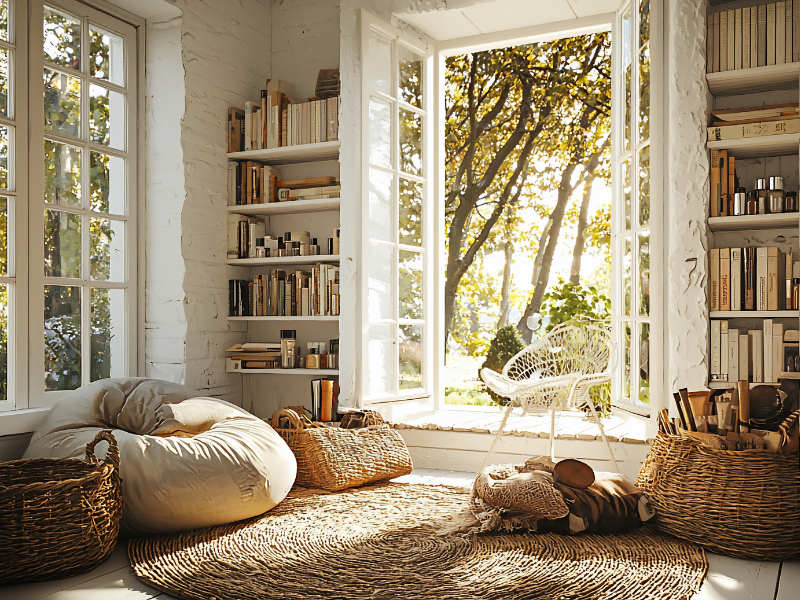
Light is one of them. Natural light, including where it enters, how it moves, and where it lingers, shapes mood more consistently than almost any finish or feature. Homes that feel calm, open, or restorative often owe that feeling to light long before décor enters the conversation.
Flow is another. How you move through a space, where you pause, and where friction shows up in daily routines matters deeply. When a home supports how life actually unfolds (mornings, evenings, quiet moments, shared ones) it tends to feel easier to live in, even if nothing about it is “perfect.”
Alignment with the current season of life matters most of all. A home that once fit beautifully can feel heavier when life shifts. That doesn’t mean something is wrong, it means needs have changed. When a space reflects who lives there now, rather than who they used to be, it tends to feel supportive again.
The Changes That Matter Less Than We Expect
Some changes feel urgent, but rarely alter the day-to-day experience in lasting ways.
Trends, for one, have a short shelf life. They can be fun, inspiring, and even energizing. However, on their own, they rarely resolve deeper misalignments.
Big upgrades can fall into this category too. A renovation may look transformative, but if it doesn’t address how the space is actually used, the impact often fades faster than anticipated.
That doesn’t make these changes “wrong.” It simply means they work best when they support something more fundamental.
Why This Distinction Matters Right Now
January often brings pressure to improve, optimize, or fix. But when it comes to home, clarity usually comes from discernment, not urgency.
Understanding what truly changes a home can:
• Reduce decision fatigue
• Bring focus to what’s already working
• Create confidence around what’s worth addressing and what can wait
It also creates permission to move more slowly, especially in a market and moment that reward thoughtfulness over speed.
A Different Way to Think About Change
Meaningful shifts don’t always require dramatic action.
Sometimes they begin with noticing:
• Where light falls at different times of day
• Which rooms feel supportive and which quietly resist
• What feels lighter than it used to, and what feels heavier
From there, the next step becomes clearer, regardless of it being a small adjustment, a longer conversation, or simply time.
Looking Ahead
Homes evolve because people do. The most enduring changes tend to honor that truth, responding to real life rather than chasing an ideal.
As this new year begins, it may be worth asking not what should change, but what actually would.
Often, the answer is both quieter and more revealing than expected.
We love sharing thoughtful perspectives on home, place, and everyday living. If this sparks a question or curiosity, we’d always be glad to connect and continue the conversation here.